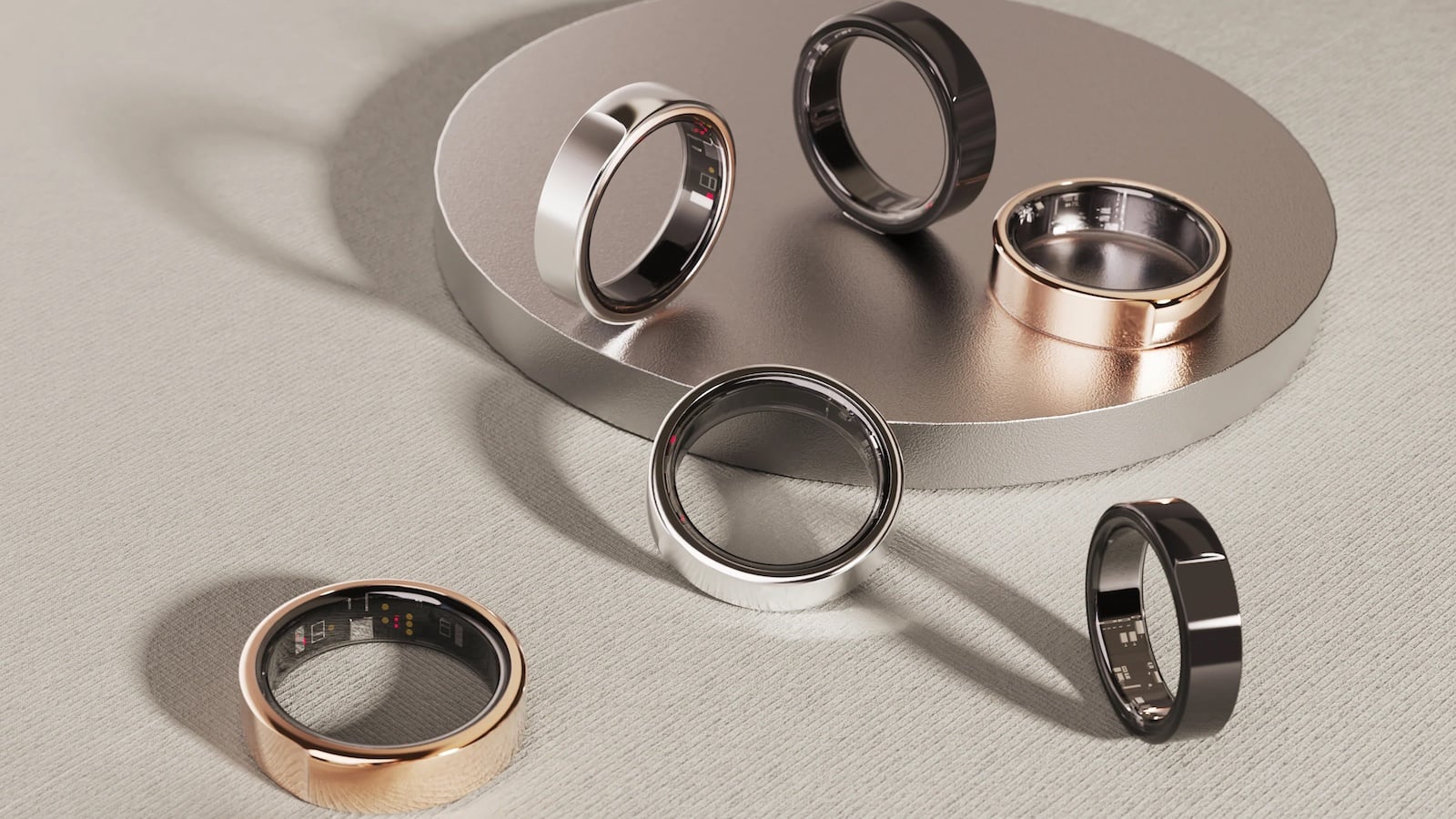
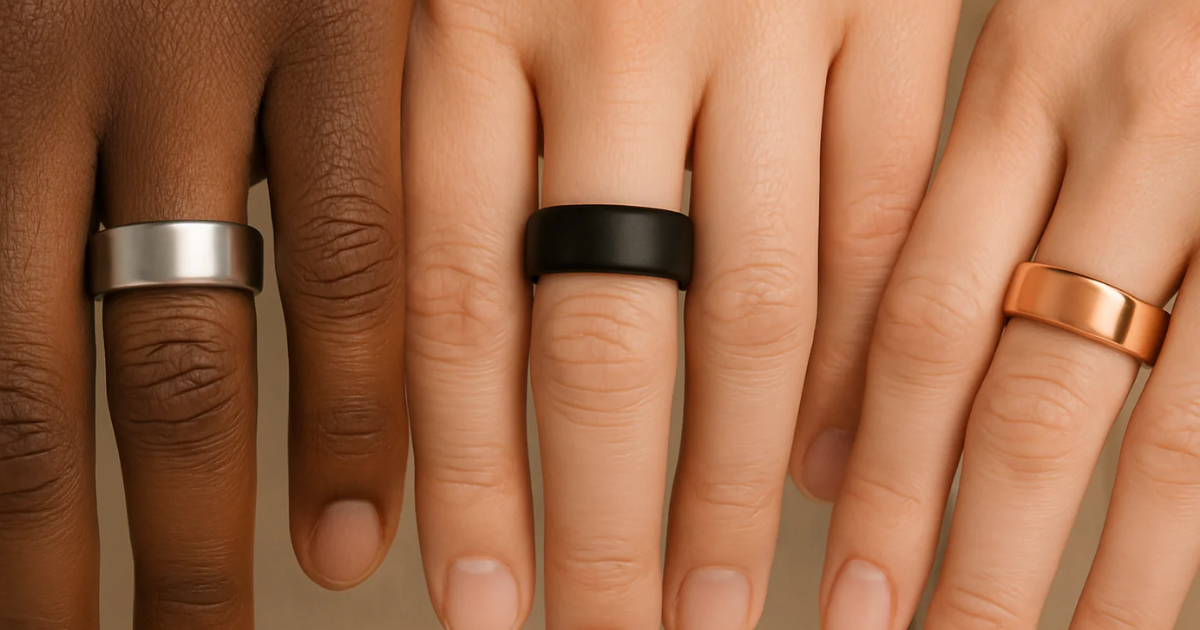
Two titanium rings. Both track sleep, HRV, and stress. Both look like jewellery. Both promise to help you sleep better, stress less, and understand your body. So why does one cost three times more than the other over two years?
If you’ve been going back and forth between the Omni Health Ring and the Oura Ring, you’re not alone. It’s the most common comparison in the smart ring space right now. In this guide I’ll break down exactly how they differ: features, accuracy, pricing, and who each one is really built for.
Already know you want the Omni? Check the latest price here →
Want the full standalone review? Read my complete Omni Health Ring review.
I’ve spent so much time researching both of these rings, reading every user review I could find, comparing real-world accuracy data, digging through Trustpilot complaints and Reddit threads, and talking to people who actually wear them daily. I haven’t personally worn both rings, and I think that honesty matters. What I can give you is something most “review” sites don’t: a genuinely balanced comparison based on real user experiences, not a press release rewrite. Here’s what I found, and it surprised me.
Quick Verdict: Omni vs Oura at a Glance
Short answer: If you want the most polished app, cycle tracking, and a proven ecosyste , Oura Ring is still excellent. But if you want AI-powered daily guidance, no subscription fees, and a lower price, the Omni Health Ring delivers more practical value for most people in 2026.
Feature-by-Feature Comparison
| Feature | Omni Health Ring | Oura Ring 4 |
|---|---|---|
| Price | ~$199 (one-time) | $299–$499 + $5.99/month |
| Subscription required? | No | Yes — $5.99/month for full insights |
| Sleep tracking | Deep, REM, light stages | Deep, REM, light stages |
| HRV monitoring | 24/7 | 24/7 |
| Stress tracking | Real-time | Stress Resilience Score |
| AI daily guidance | CBT-based personalised actions | Limited — data only |
| Readiness score | EnerQi (adapts to you) | Readiness Score |
| Nutrition tracking | Food scanning built-in | ✗ Not available |
| Women’s health | Basic | Cycle tracking + Natural Cycles |
| Battery life | Up to 7 days | Up to 8 days |
| Weight | ~2.2g | ~4g |
| Water resistance | Waterproof | 10 ATM (100m) |
| App quality | Very good — improving fast | Excellent — best in class |
| Track record | Newer brand (2024–) | Established (2015–) |
The Biggest Difference: Data vs. Guidance
This is the thing that should actually drive your decision, and it’s the one thing most comparison articles gloss over.
The Oura Ring is, genuinely, one of the most beautifully designed health apps I’ve ever seen. Users consistently describe it as “addictive”, you wake up, check your Sleep Score, your Readiness Score, your HRV trends, and it all looks gorgeous. One reviewer put it perfectly: “My Oura ring calls me out worse than my mom does when I’m staying up late scrolling my phone.”
But here’s the catch: Oura tells you what happened. It doesn’t tell you what to do about it. You get a Readiness Score of 63 and… that’s it. You’re on your own. Some people love that, they want raw data and prefer to draw their own conclusions. But a lot of people (especially those new to health tracking) find themselves staring at beautiful graphs with no idea what to change.
The Omni Health Ring takes the opposite approach. Its AI doesn’t just score your night, it writes you a plan for the day. Based on your sleep quality, HRV, stress load, and activity, it generates specific CBT-based actions. Not “your HRV was low.” But: “Your recovery is incomplete, start with light movement this morning and push your intense work to after 2pm.”
Is Omni’s app as polished as Oura’s? No, not yet. Several users mention the AI can be a liiittle bit slow to respond, and the interface isn’t as refined. But the philosophy is fundamentally different: Oura is a dashboard. Omni is a coach. Think of it this way: Oura is like a brilliant doctor who hands you your test results and says “good luck.” Omni is the doctor who reads the results, explains what they mean, and writes you a prescription.
Think of it this way: Oura is like a brilliant doctor who hands you your test results and says “good luck.” Omni is the doctor who reads the results, explains what they mean, and writes you a plan.
Sleep Tracking: How Accurate Are They Really?
This is the question everyone asks — and the answer is genuinely impressive for both rings.
Omni’s own published data (from a 15-day head-to-head test against Oura) shows the two rings matching within roughly 2 minutes on sleep onset, wake time, and total sleep duration. Deep sleep readings differed by only 2.5 minutes on average. REM sleep, which is notoriously hard to track without clinical equipment, differed by just 1.9 minutes. Heart rate accuracy was within 0.1 bpm.
Oura has the edge in scientific credibility here, they have years of peer-reviewed studies backing their accuracy claims, and their newest Smart Sensing technology adapts to your finger’s unique blood flow patterns. Some users have even caught early signs of sleep apnea through Oura’s oxygen saturation tracking, which their doctors later confirmed.
But in real-world daily use? Both rings give you a reliable, detailed picture of your sleep. The meaningful difference isn’t in what they track, it’s in what happens the morning after.
With Oura, you wake up and see: “Sleep Score: 72. Deep sleep: 1h 12m. REM: 1h 45m.” Useful — if you know what to do with it.
With Omni, you wake up and see: “Your EnerQi is 68. Your deep sleep was shorter than usual. Here’s what to adjust tonight, and here’s how to manage your energy today.” Actionable — even if you’ve never tracked your sleep before.
Pricing: The Elephant in the Room
This is where the gap is impossible to ignore.
Omni Health Ring
One-time purchase: ~$199
Subscription: None
Total cost over 2 years: ~$199
You do not need a subscription.
Oura Ring 4
Ring: $299–$499
Subscription: $5.99/month
Total cost over 2 years: $443–$643
Without subscription, many core features are locked.
Over two years, the Oura Ring can cost up to three times more than the Omni Health Ring, and that gap only grows over time. For many people, the Omni’s no-subscription model is the deciding factor.
Design and Comfort: The “Forget It’s There” Test
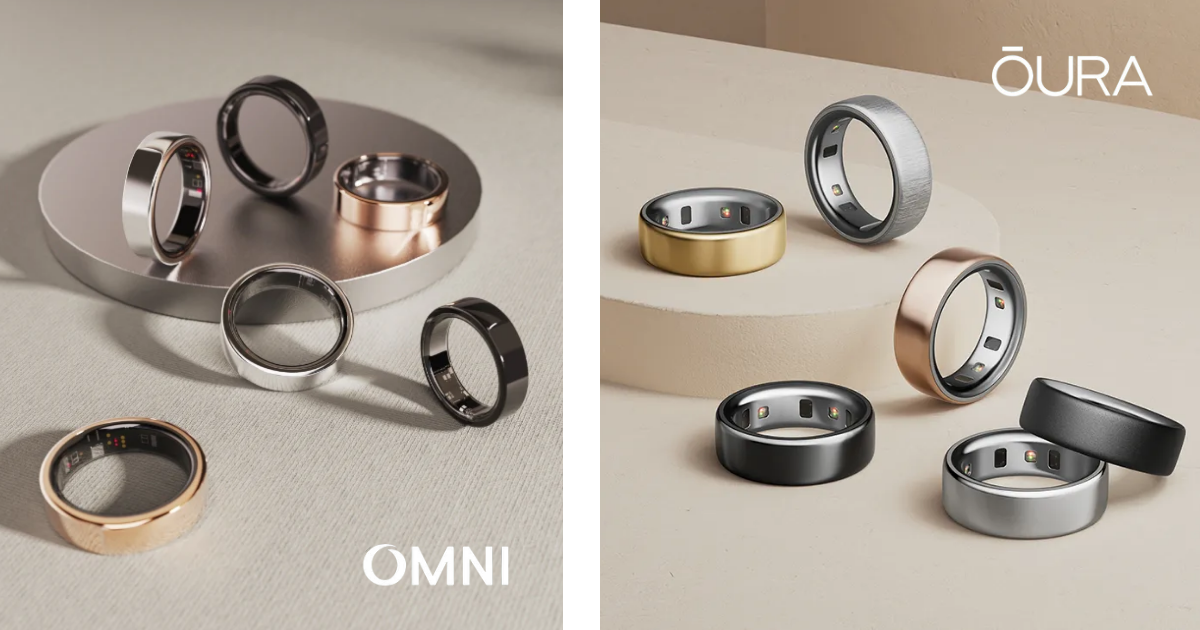
Both rings are made from titanium, both look like minimal jewellery and both pass the most important test for any wearable: you genuinely forget you’re wearing them. But there are subtle differences that matter if you’re choosing between them.
The Omni Health Ring is remarkably light at 2.2 gram, nearly half the weight of the Oura Ring 4 (around 4 grams). Users consistently mention the completely smooth interior as a comfort advantage, especially for sleeping. One reviewer who’d previously used a RingConn described the Omni as “the closest thing to wearing nothing.”
The Oura Ring 4 improved significantly over the Gen 3 by recessing its sensors, eliminating the pressure points that bothered some earlier users. The Stealth finish in particular gets praised for looking like “a normal black ring”, one user noted that nobody at his gym has ever asked about it.
Where Oura wins on design: more finish options (for example a ceramic Heritage line), a wider range of colours, and a more premium unboxing experience. The Omni keeps things simpler, a few titanium colourways and clean packaging.
Both include sizing kits, and both require you to get the size right before ordering, neither ring is adjustable. This is the one area where I’d say: don’t rush. Wear the sizing ring for at least 48 hours before deciding.
One thing worth flagging: several Oura users with the gold finish report scratching over time. The Stealth (dark matte) and silver finishes seem to hold up better. Omni hasn’t been on the market long enough for long-term durability reports, which is worth keeping in mind.
Where Oura Still Wins
I want to be genuinely fair here, because in a few areas, Oura is still clearly ahead:
- Women’s health tracking — Its integration with Natural Cycles for cycle prediction and fertility tracking is something no other smart ring matches right now. One user’s sister described the period predictions as “scarily accurate.” If cycle tracking matters to you, this alone might be the deciding factor.
- App polish — Oura’s app has had years to mature, and it shows. The daily dashboard with three clear circular scores (Sleep, Readiness, Activity) is intuitive and well-designed. The Vitals page compares your daily metrics to your own long-term baseline, not a generic average, which is a genuinely smart feature. Omni’s app is functional and improving fast, but users consistently note it feels less polished.
- Scientific validation — Oura has published peer-reviewed research validating their tracking accuracy. Their Smart Sensing technology adapts to your finger’s unique anatomy over 3–5 nights. Omni has published their own accuracy comparison data (which looks impressive), but they don’t yet have the independent scientific validation that Oura has built over years.
- Customer service is a real differentiator — Oura’s Trustpilot score sits at 4+ stars with over 4,000 reviews. Users frequently mention getting replacement rings sent quickly when issues arise. Omni, being newer, has significantly fewer reviews, and some early users have reported frustrating shipping delays and slow customer support. This is something to be aware of.
- Ecosystem — 40+ app integrations including Apple Health, Google Fit, and Strava.
If cycle tracking is important to you, or if you want the most proven and polished experience, Oura is still a strong choice, if you don’t mind the ongoing cost.
Where Omni Health Ring Wins
Now for the other side, and these advantages are real:
- AI-powered daily guidance — The AI guidance is genuinely different from anything else on the market. The CBT-based daily recommendations adapt to your data and give you specific, personalised actions. Users who’ve tried both consistently say the Omni makes them do something with their data, while Oura makes them look at their data. That distinction matters more than most comparison articles acknowledge.
Lower price & no subscription — The Oura Ring costs $299–$499 upfront, then $5.99 every month and without that subscription, core features like your Readiness Score are locked behind a paywall. Over some years, that’s pretty much. The Omni is less than $199, no subscription needed. For a lot of people, especially those trying health tracking for the first time, that price difference is the entire decision. - Nutrition tracking — No other smart ring offers built-in food scanning. It’s not perfect (users report mixed results on accuracy), but the fact that you can track sleep, stress and nutrition in one device without a separate app is a genuine advantage.
- Lighter weight — 2.2g vs 4g. Nearly half of Oura. Omni is the lightest smart ring available. This matters more than you’d think, especially for people who’ve never worn a ring before, or who wear it 24/7 including during sleep.
- EnerQi system — Oura’s Readiness Score is primarily based on what happened while you slept. Omni’s EnerQi maps your energy across the entire day, combining sleep, HRV, stress, activity, and nutrition into a dynamic score that shifts throughout the day. It’s a more complete picture.
Who Should Buy Which Ring?
Choose the Omni Health Ring if…
- You want to be told what to do, not just shown data
- You don’t want a monthly subscription
- Budget matters — you want the best value
- You want nutrition tracking in the same device
- You want the lightest, most comfortable ring available
- You’re a beginner who wants simple, actionable insights
Choose the Oura Ring 4 if…
- Cycle tracking and women’s health features are essential
- You want the most polished app experience
- You prefer a brand with years of scientific backing
- You want deep ecosystem integrations (Strava, Natural Cycles)
- You don’t mind paying a monthly subscription
Final Verdict: Omni Health Ring vs Oura Ring
A year ago, the Oura Ring was the obvious default choice. In 2026, it’s no longer that simple.
The Omni Health Ring has closed the gap on tracking accuracy, and in some areas, AI guidance, pricing, nutrition tracking, and weight, it’s genuinely ahead. For most people who want a smart ring that actually helps them improve their sleep, stress, and energy without a monthly bill, the Omni Health Ring is the better buy in 2026.
Oura still wins on app polish, women’s health features, and brand maturity. If those things matter most to you, it’s still a great ring, but you’ll pay significantly more for it over time.
Our recommendation: Both rings are genuinely worth considering. The Oura Ring is the established choice – proven, polished, and backed by years of scientific validation. It’s a safe bet. The Omni Health Ring is the modern challenger – lighter, more affordable, with AI-powered daily guidance and no subscription. For readers of The Daily Curated who want beautiful design and practical wellness tools, you honestly can’t go wrong with either. But if value and actionable guidance matter most, the Omni Health Ring is hard to beat in 2026. Read the full Omni Health Ring review here.
Frequently Asked Questions
Is the Omni Health Ring as accurate as the Oura Ring?
Independent testing shows the Omni matches Oura within roughly 2 minutes on sleep metrics including onset time, total sleep, and deep/REM stages. Heart rate accuracy is within 0.1 bpm. For practical everyday use, both are equally reliable.
Does the Omni Health Ring require a subscription?
No, all features are unlocked from day one with no monthly fee. The Oura Ring requires a $5.99/month subscription for full access to its insights.
Which ring is better for women?
For cycle tracking and fertility, Oura is currently ahead thanks to its Natural Cycles integration. For sleep, stress, and AI-guided daily wellness, the Omni Health Ring adapts to individual patterns regardless of gender and offers strong value for women who prioritise actionable health guidance.
Which ring has better battery life?
The Oura Ring 4 claims up to 8 days (real-world closer to 6). The Omni Health Ring claims 7 days (real-world around 6). In practice, they’re almost identical.
Can the Omni Health Ring replace a smartwatch?
No, neither the Omni nor the Oura replace a smartwatch. Smart rings are passive health monitors designed for sleep, stress, and recovery tracking. They don’t offer GPS, notifications, or on-wrist displays.
What is EnerQi and how is it different from Oura’s Readiness Score?
Both are daily readiness metrics. Oura’s Readiness Score is primarily based on overnight data. EnerQi goes further, it maps your energy across the entire day, combining sleep, HRV, stress, activity, and nutrition into a dynamic score that adapts to your unique patterns over time.
Disclosure: This post contains affiliate links. If you purchase through our links, we may earn a small commission at no extra cost to you. We only recommend products we genuinely believe in.



Leave a Reply